The Wellness Kitchen: Designing for Clean Air, Pure Water and Good Food
By Kenneth Bordewick · 5 min read
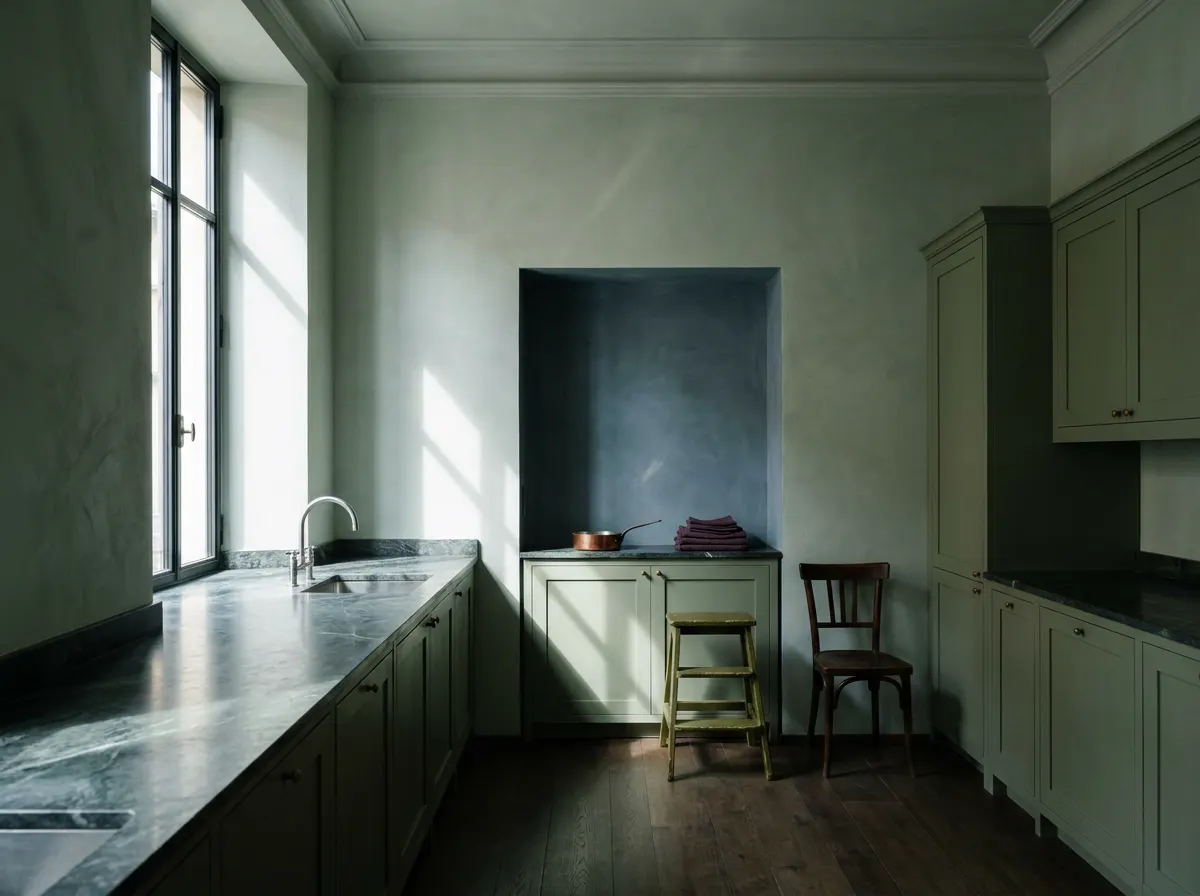
The kitchen is where a household's health is shaped most directly, through the food it prepares, the water it drinks and the air it breathes while cooking. It deserves to be designed with that in mind.
In most luxury homes the kitchen is designed for appearance and entertaining. Both matter. But a wellness kitchen asks further questions: what happens to the air when food is cooked, what is in the water, what are the surfaces and finishes made of, and how is food stored and prepared?
Cooking and the air
Cooking is one of the largest sources of indoor air pollution in many homes. Frying, searing and roasting release fine particles and other pollutants, and gas burners add combustion products. A properly sized extract hood that vents to the outside, rather than recirculating, and that is actually used whenever cooking, is essential. Ceiling and downdraft extracts are elegant, but they must be specified for real performance.
Induction over gas
For indoor air quality, induction has clear advantages over gas because it produces no combustion by-products in the room. It is also precise, fast and easy to clean. Many serious cooks who were sceptical are converted within weeks.
Water you can trust
Drinking and cooking water should be tested and treated appropriately, usually with a whole-home system supported by point-of-use filtration at the kitchen sink. A dedicated filtered water tap, and filtered supply to the refrigerator and coffee machine, make healthy habits effortless.
Surfaces and finishes
- Solid timber joinery with natural oil or low-emission finishes.
- Natural stone or other inert worktop surfaces, appropriately sealed.
- Mineral plasters and low-VOC paints on walls.
- Stainless steel, cast iron, carbon steel, glass and ceramic for cookware and storage.
- Avoiding plastics for hot food, and reducing them for storage wherever practical.
Food storage and preparation
Good pantry design, with ventilation, darkness and stable temperature for dry goods, keeps food fresher. Generous preparation space near natural light encourages cooking from whole ingredients. Separate, well-ventilated waste and recycling areas keep odours and pests at bay.
Light and the life of the kitchen
The kitchen is often the first room entered in the morning and the last left at night. Bright, daylight-rich light at breakfast, and warmer, lower light in the evening, help keep the household's body clocks in step. And because so much family life happens here, a comfortable place to sit and talk is as important as any appliance.
Every ÖND commission begins with a private conversation. Call (310) 274-9999, write to kenneth@bhli.us, or read the Nine Pillars of Wellness Design to see the full framework.
Frequently Asked Questions
Common Questions
How do I make my kitchen healthier?
Is induction healthier than gas cooking?
Should a kitchen extract hood recirculate or vent outside?
Does ÖND design wellness kitchens?
Every ÖND residence begins with a private conversation.