Protecting Your Home's Air from Wildfire Smoke
By Kenneth Bordewick · 5 min read
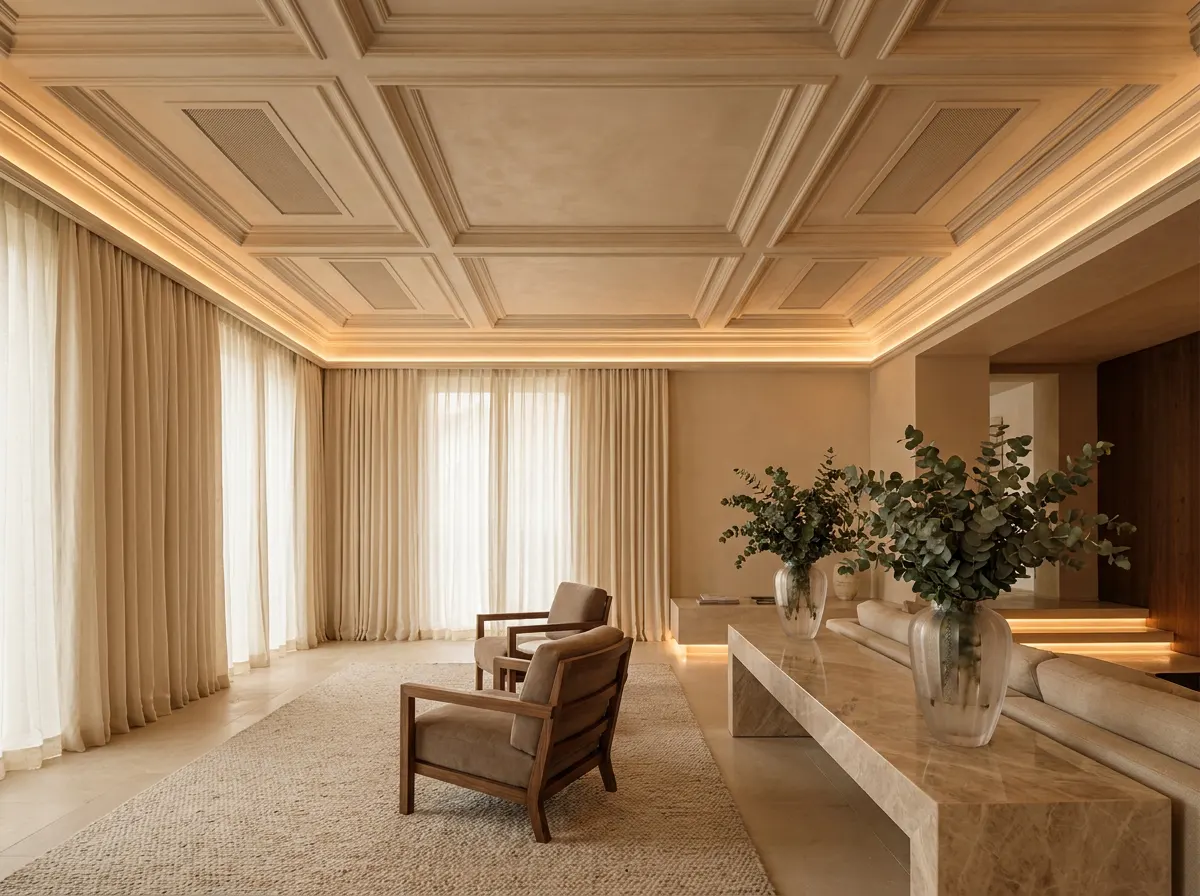
For homes in Los Angeles and across the American West, wildfire smoke is no longer an occasional event but a seasonal reality. A well-designed house can keep its air clean even when the sky outside is not.
Wildfire smoke carries very fine particles and gases that travel great distances and enter homes through every gap, open window and ventilation intake. During smoke events, indoor air in an ordinary house can approach outdoor levels within hours. In a house designed for it, indoor air can remain clean.
Start with a tight envelope
The first defence is keeping smoke out. Well-sealed windows and doors, gaskets on openings, sealed penetrations for services and a carefully detailed building envelope reduce the uncontrolled leakage through which smoke enters. Air-tightness testing during construction shows where the gaps are.
Filter the air you bring in
A balanced mechanical ventilation system can bring fresh air in through high-efficiency filters rather than through cracks. For smoke, the filters should be rated to capture fine particles, with a MERV 13 rating as a sensible minimum and higher where the system allows. Activated carbon stages help reduce smoke odours and some gases.
A smoke mode for the house
The ventilation and air-conditioning system should have a simple 'smoke' setting that reduces outside air intake, increases recirculation through the best filters and keeps the house slightly pressurised. One button on a keypad is far better than a call to the engineer at midnight.
Clean rooms within the house
At least one room, often the primary bedroom, should be designed as a clean-air refuge, with its own high-grade filtration, good sealing and a quiet purifier. During prolonged events, the family can sleep there with confidence.
Monitor inside and out
- Indoor PM2.5 sensors in bedrooms and main living spaces.
- An outdoor sensor or local air quality feed for comparison.
- Alerts when indoor levels begin to rise.
- Spare filters stored on site before the season begins.
- A filter change after every significant smoke event.
After the smoke clears
Smoke residue settles on surfaces, fabrics and inside ductwork. After a significant event, filters should be replaced, soft furnishings cleaned and, where needed, ducts inspected. Natural, washable textiles make recovery easier.
Every ÖND commission begins with a private conversation. Call (310) 274-9999, write to kenneth@bhli.us, or read the Nine Pillars of Wellness Design to see the full framework.
Frequently Asked Questions
Common Questions
How do I protect my home from wildfire smoke?
What filter rating is best for wildfire smoke?
Should I run my air conditioning during wildfire smoke?
Does ÖND design homes for wildfire smoke resilience?

Every ÖND residence begins with a private conversation.